
Tracing My Irish Roots: A Journey to Owey Island and the Wilds of County Donegal, Ireland
Have you ever wondered what it feels like to step foot on the exact land your ancestors walked away from?
Ninety years ago, my great-grandmother made the life-altering choice to leave Owey Island, a remote, rugged outcrop off the coast of County Donegal, Ireland, and build a new life in Bayonne, New Jersey. Like many Irish-Americans, I grew up surrounded by stories of the old country. But nothing could prepare me for the emotional, windy, and deeply profound reality of traveling back to the edge of the Atlantic to see how they lived, why they left, and to reconnect with the family who stayed behind.
Whether you are planning your own Irish ancestry road trip or exploring the untamed beauty of the Wild Atlantic Way, here is my complete, deep-dive itinerary—stretching from the vibrant streets of Galway to the abandoned, off-grid shores of Owey Island. From Newark Airport to Shannon Airport.
Affiliate note: This post contains affiliate links. If you book through them, I may earn a small commission at no extra cost to you. I only recommend things I’ve personally used or trust.
The Ultimate Irish Heritage Road Trip: Destination Overview
| Stop | Region | Key Highlight |
| 1. Galway City | Co. Galway | Wandering the Latin Quarter & Salthill Promenade |
| 2. Letterkenny | Co. Donegal | Reconnecting with long-lost family & The Northern Lights |
| 3. Glenveagh | Co. Donegal | Exploring the glaciated valleys of the National Park |
| 4. Kincasslagh | Co. Donegal | Crossing the Atlantic currents to Owey Island |
| 5. Donegal Town | Co. Donegal | Exploring the historic 15th-century O’Donnell Castle |
| 6. Cliffs of Moher | Co. Clare | Facing the massive, wind-swept ocean cliffs |
Stop 1: Galway City & The Salthill Promenade
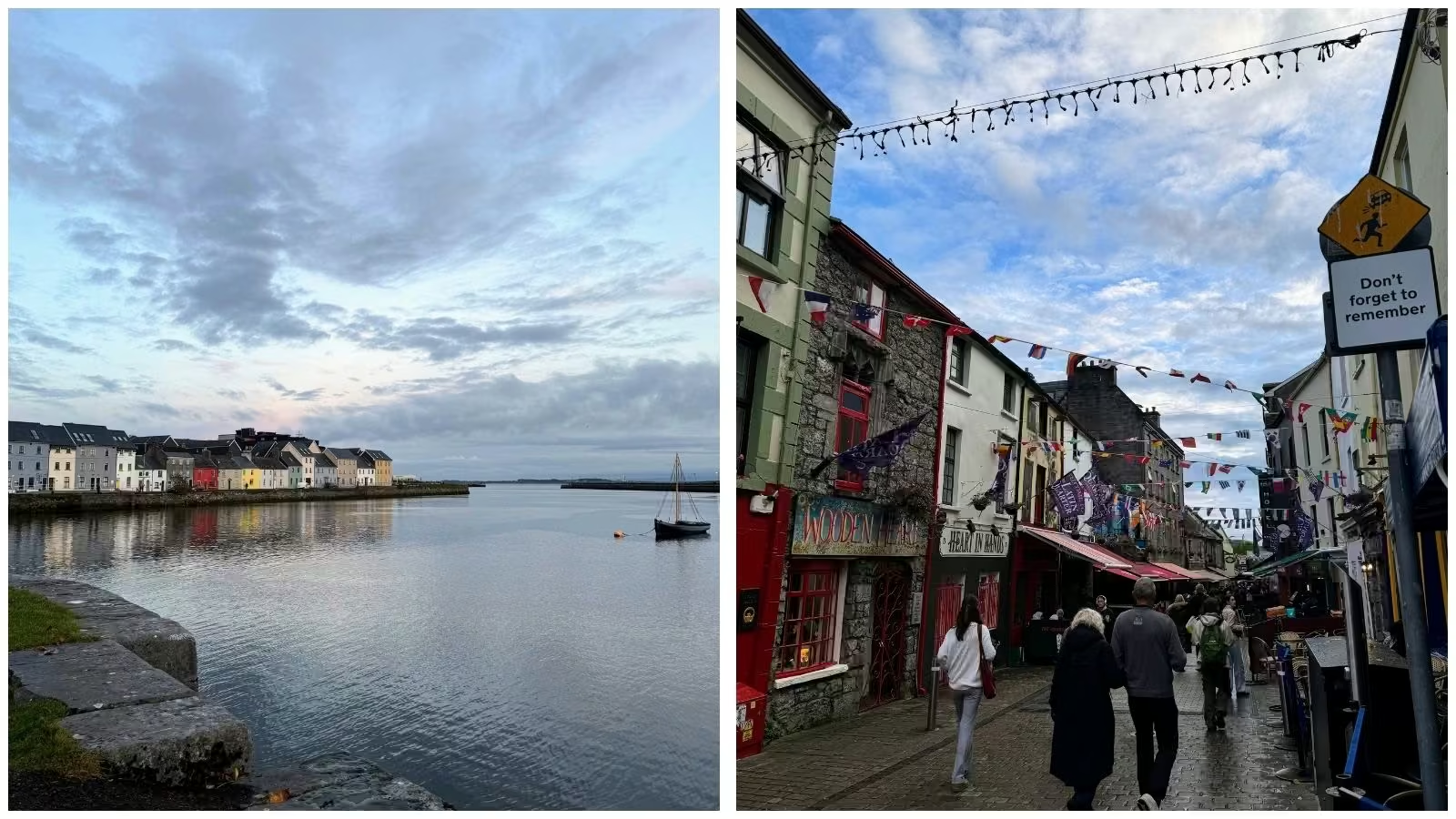
Our Irish heritage road trip started in the west of Ireland in the historic city of Galway. If you’re planning a trip to this region, Galway is the ultimate launching pad.
We spent our first days wandering the vibrant, cobblestone alleys of the Latin Quarter and walking along the stunning Salthill Promenade. Even in October, the water of Galway Bay was a crystal-clear, brilliant blue. Naturally, no trip to Galway is complete without heading down to Quay Street, ducking into Taaffes Bar—a nice, lively pub—listening to a local rendition of Galway Girl, and enjoying a perfectly poured pint of Guinness.
Stop 2: Driving North Through Sligo to Letterkenny
From Galway, we began a 4-to-6-hour road trip heading north toward County Donegal, passing through the dramatic landscapes of County Sligo. The drive itself is a sight to behold: the horizon is carved by massive, flat-topped mountains formed by Ice Age glaciers, dotted with random stone buildings and frequent Irish rainbows.
A Surprise Family Reunion
Our trip took a magical turn in Letterkenny, Donegal, where we attended an anniversary concert for Irish country music legends Daniel O’Donnell and Margo O’Donnell. As it turns out, they are my third cousins! Hearing them perform and speaking with them backstage was an incredible testament to the deep, enduring roots of Irish family trees.

To cap off an already unforgettable night, the clear Donegal skies treated us to a spectacular display of the Northern Lights (Aurora Borealis).
Stop 3: Glenveagh National Park & The History of Deforestation
Just 20 to 30 minutes outside of Letterkenny lies Glenveagh National Park, an absolute must-visit gem in Donegal. The park features a hauntingly beautiful landscape of vast lakes, sweeping mountains, and vibrant green valleys.
An interesting piece of history we learned while exploring: Glenveagh has very few trees due to historical deforestation centuries ago under British rule. Today, Ireland’s forest cover sits at just around 8%, but the park is actively working on reforesting the area, planting native trees to grow it back.
From Glenveagh, we drove a breathtakingly scenic—and incredibly windy—mountain road down toward the coastal area of Kincasslagh, the staging ground for our island voyage.
You will definitely need to rent a car to drive through Glenveagh national park, and it is absolutely breathtaking beautiful. The walk to the castle is very scenic and peaceful.
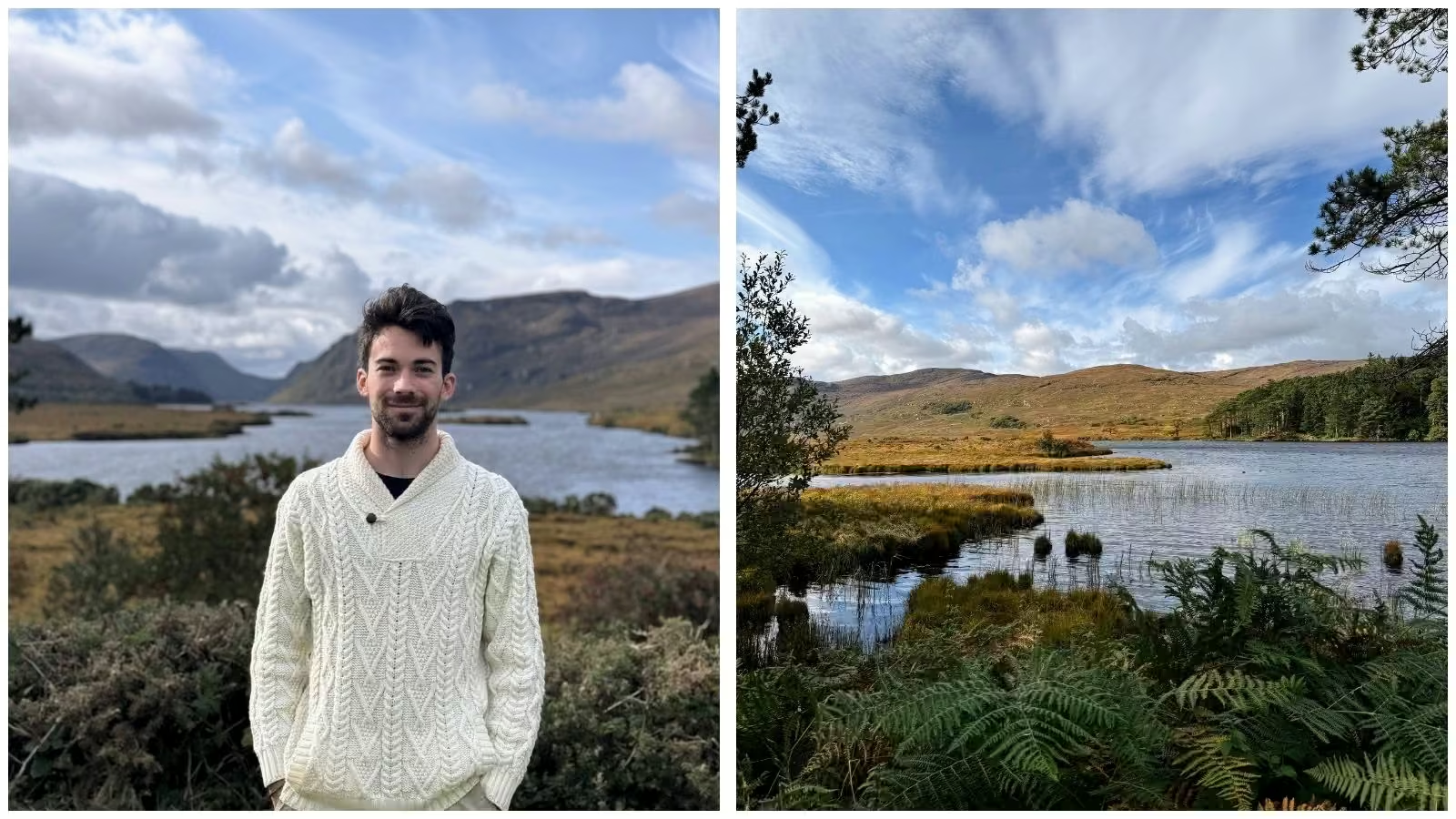
If you’re interested in my beautiful Irish Aran Wool Sweater, you can find them right here!
Stop 4: Owey Island and Inishfree Islands – Abandoned but Ancestral
Our ultimate destination was Owey Island and Innishfree Island, where my great-grandmother and great-grandfather originated. Pretty nearby to each other, both of my great-grandparents came from these two remote islands off the west coast of Donegal.
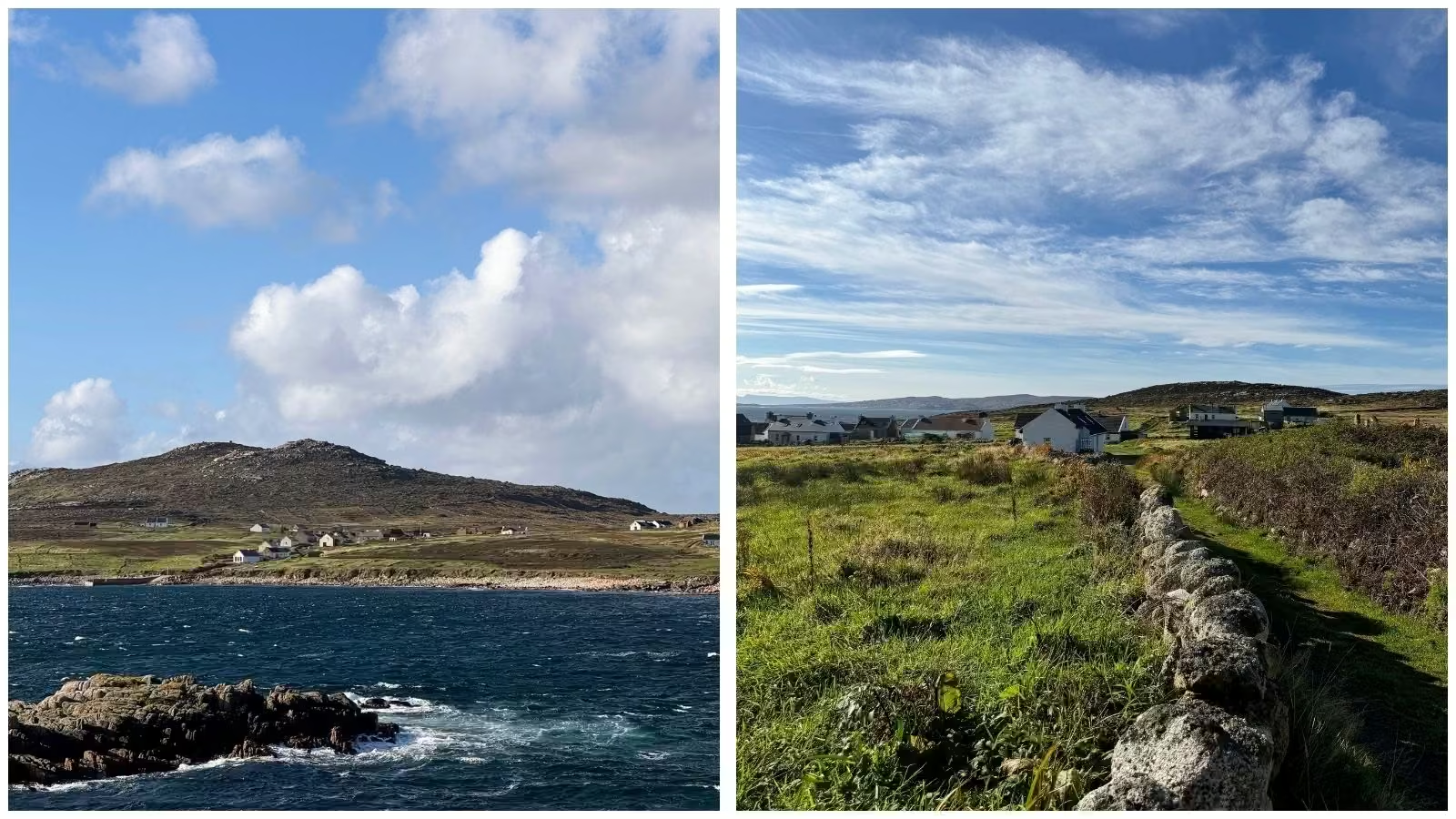
💡 Owey Island Travel Fact:
Owey Island is entirely off-grid, with no mains electricity, running public water, or Wi-Fi. While it was permanently inhabited by over 100 people for generations, it was entirely evacuated in the mid-1970s. Today, it serves primarily as a summer getaway for descendants looking to completely unplug from the modern world.
Getting to Owey is an adventure in itself. Because of strong winds and incredibly rough Atlantic currents, it is hard to get there, and we had to wait several days on the mainland just to find a safe window to cross. We were incredibly fortunate to have a distant cousin guide us across the water on a small, fast motorboat raft.
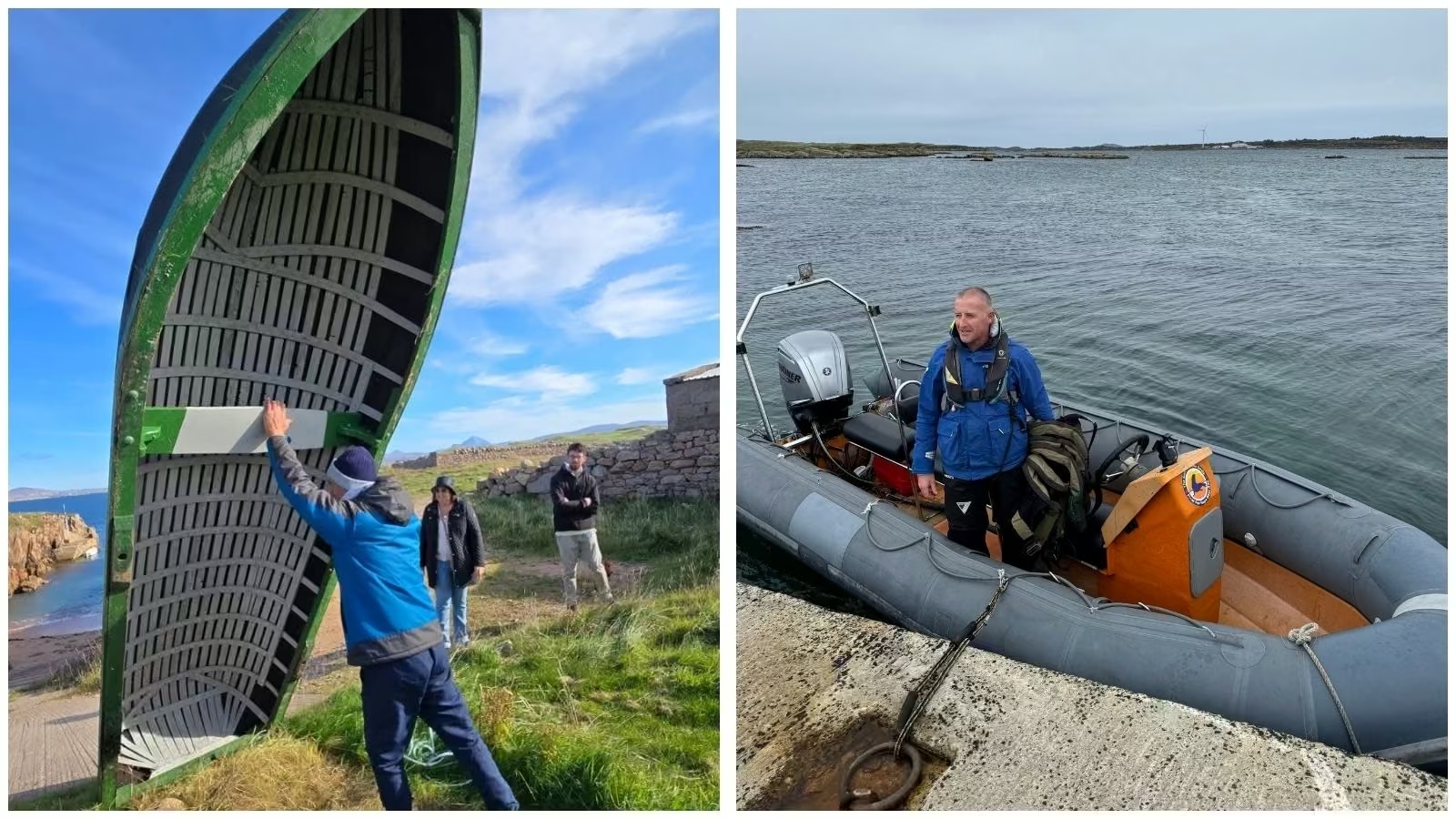
Stepping onto the island, the sense of history was overwhelming as we explored the abandoned houses left behind:
- The Island Schoolhouse: We explored the ruins of the old island school, which officially closed its doors in 1971. Inside, you can still see faint markings left on the stone walls by the students who studied there generations ago under a single schoolteacher.
- The Local Post Office: We stood in front of the abandoned post office where my second great-grandfather worked as the island postman.
- The Harsh Reality of Island Life: Seeing how isolated this island is made me deeply respect our ancestors. Ninety years ago, the islanders had to row across these treacherous waters every single week just to attend Mass on the mainland, buy provisions, or get medical help during emergencies.
Eventually, the sheer isolation forced the community to leave their homes behind, with many—like my family—boarding ships for America and settling in places like Bayonne, New Jersey.
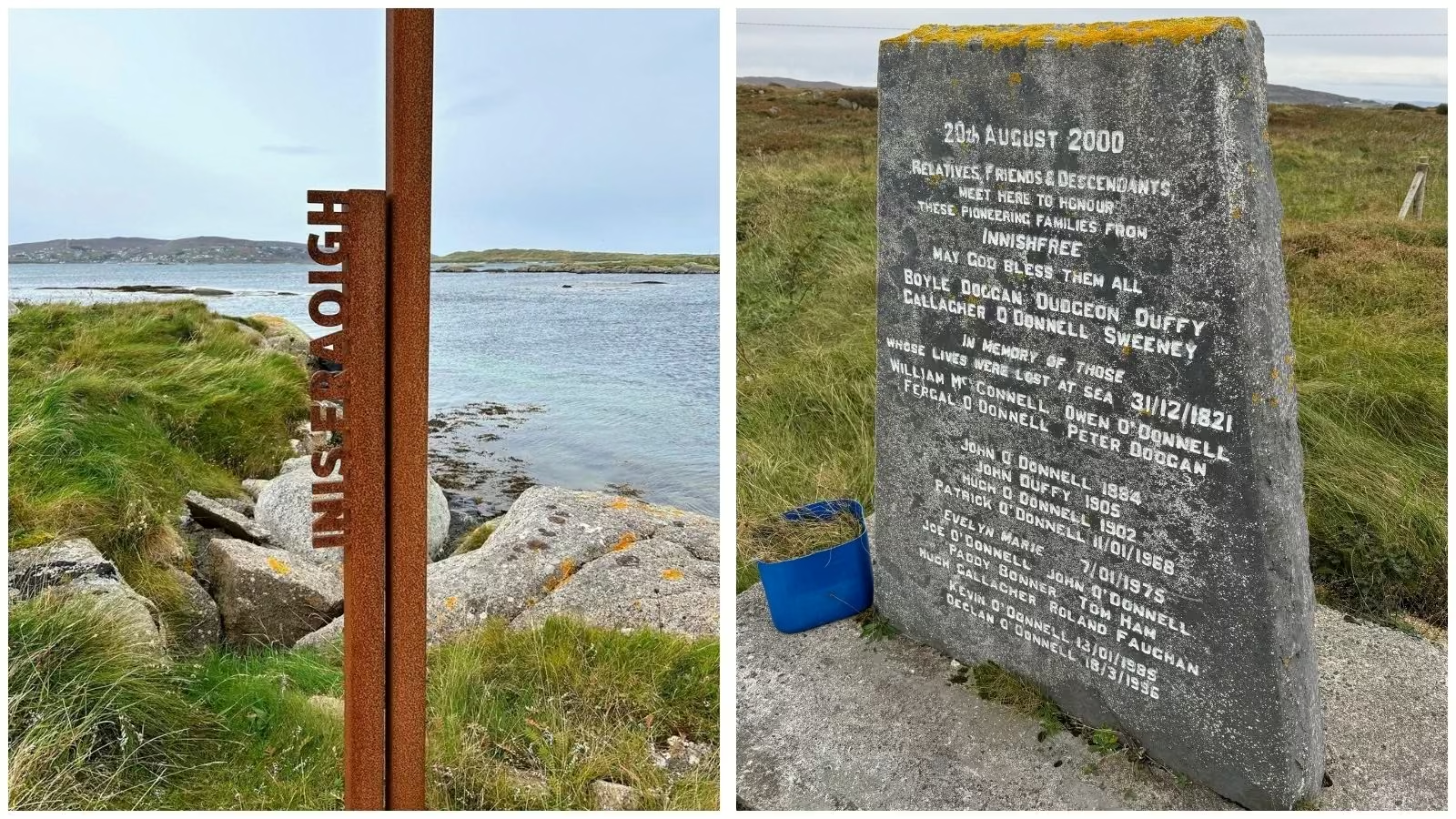
Stop 5: Tracing Chieftains in Donegal Town
On our journey back down south, we stopped in historic Donegal Town to explore the deep Gaelic history of the region:
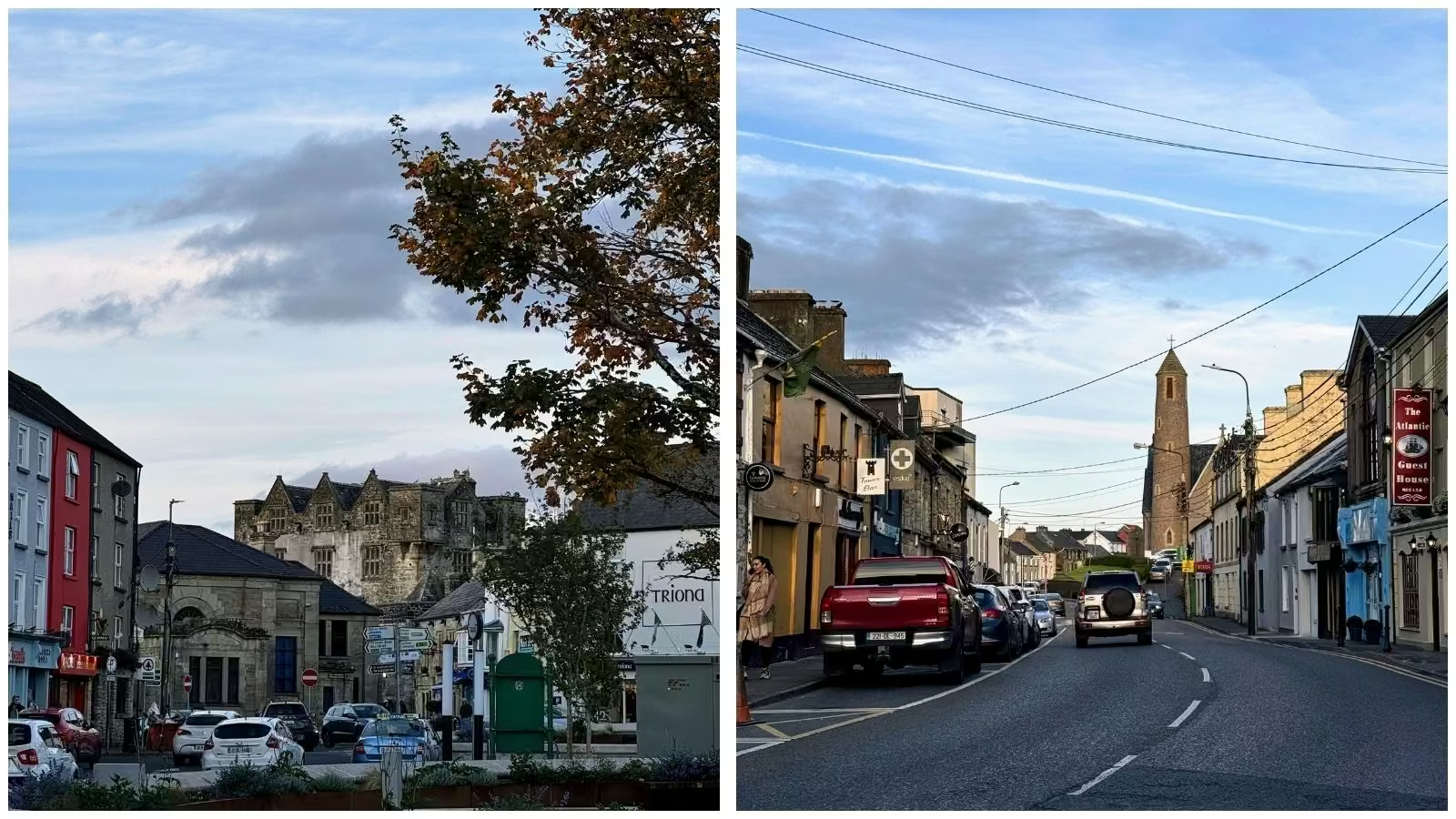
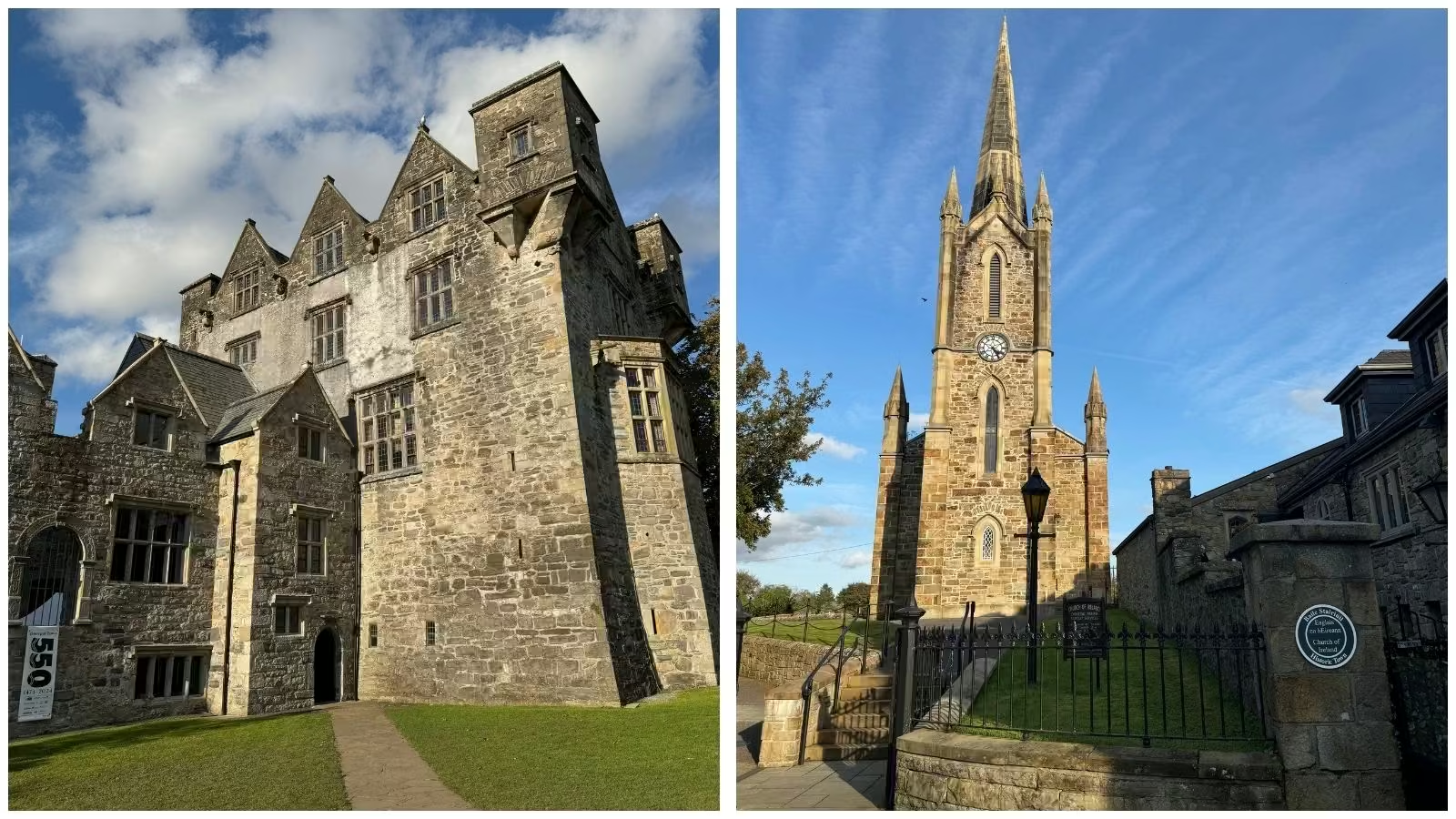
Donegal Castle (O’Donnell Clan Fortress)
Sitting right in the center of town towering over the River Eske is Donegal Castle. This massive stone stronghold was originally founded by the wealthy chief Red Hugh O’Donnell (Hugh Roe) in 1474 as the primary family home and defensive fort for the O’Donnell Clan against English forces.
The O’Donnells were among the very last Gaelic chieftains to rebel against the English Crown. In 1601, his legendary son, “Red Hugh” O’Donnell (The Fighting Prince of Donegal), marched his army south to the catastrophic Battle of Kinsale. Knowing the fortress would fall into enemy hands, it is said Red Hugh severely damaged the castle by fire before fleeing to Spain to seek further help, where he tragically died at age 30. The English later rebuilt parts of it, adding a Jacobean-style manor house next to the tower keep.
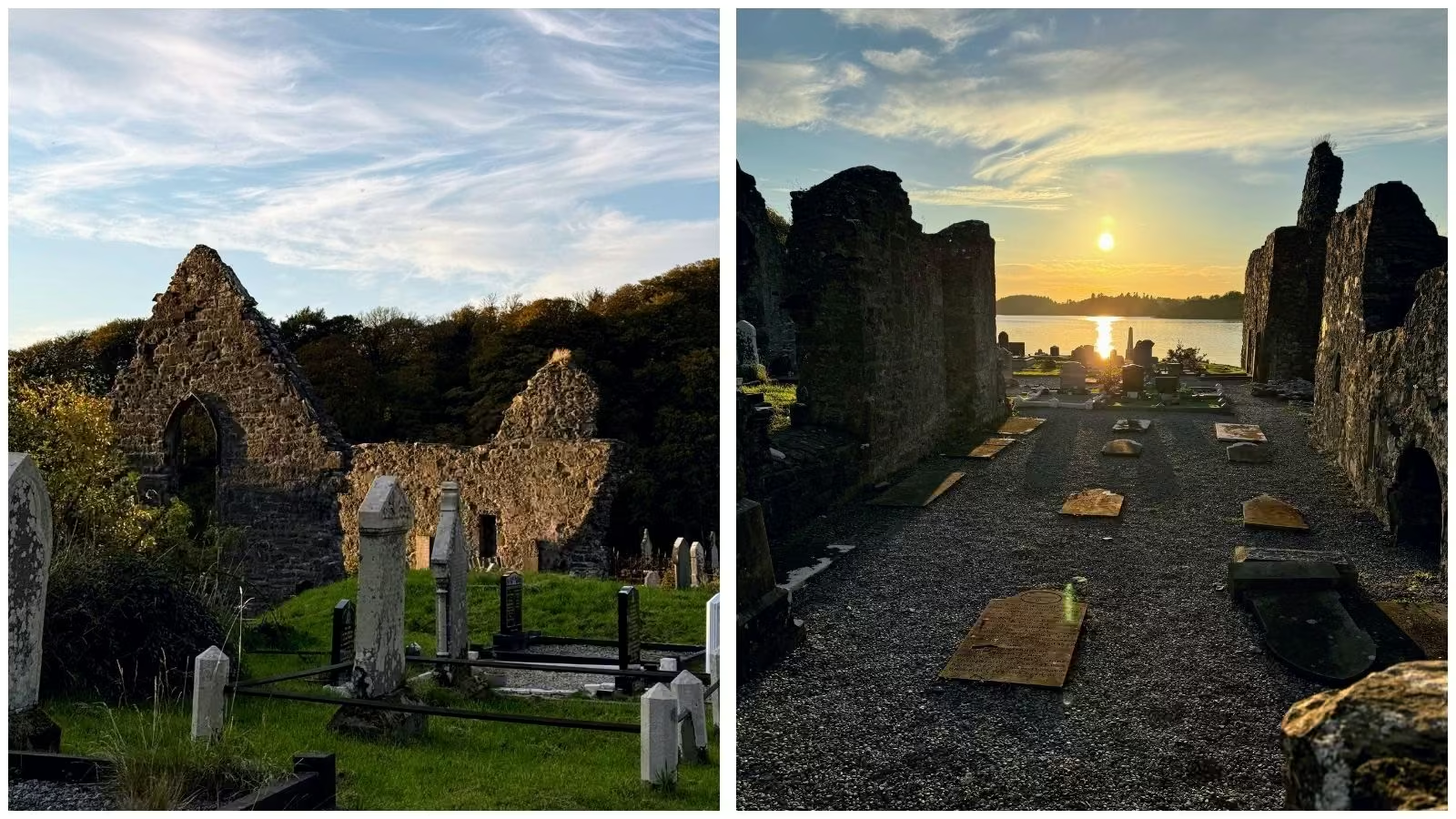
Donegal Abbey Graveyard Ruin
Further down the River Eske lie the hauntingly beautiful ruins of Donegal Abbey Graveyard, also founded by Red Hugh O’Donnell and his wife in 1474. The English forces later reduced the Franciscan monastery to a ruin, but walking through the ancient graves during a sunset over Donegal Bay is an absolutely spectacular and spiritual experience.
We had just a few hours in Donegal town, read about what you can do in one day in this beautiful city: Things to do in Donegal Town – Ireland Guide
Stop 6: Facing the Gales at the Cliffs of Moher
Before concluding our massive loops across the Wild Atlantic Way, we journeyed south to take in the sheer, massive scale of the iconic Cliffs of Moher, a world-famous UNESCO site. But I’ll be honest, it was the underwhelming part of the trip for me.
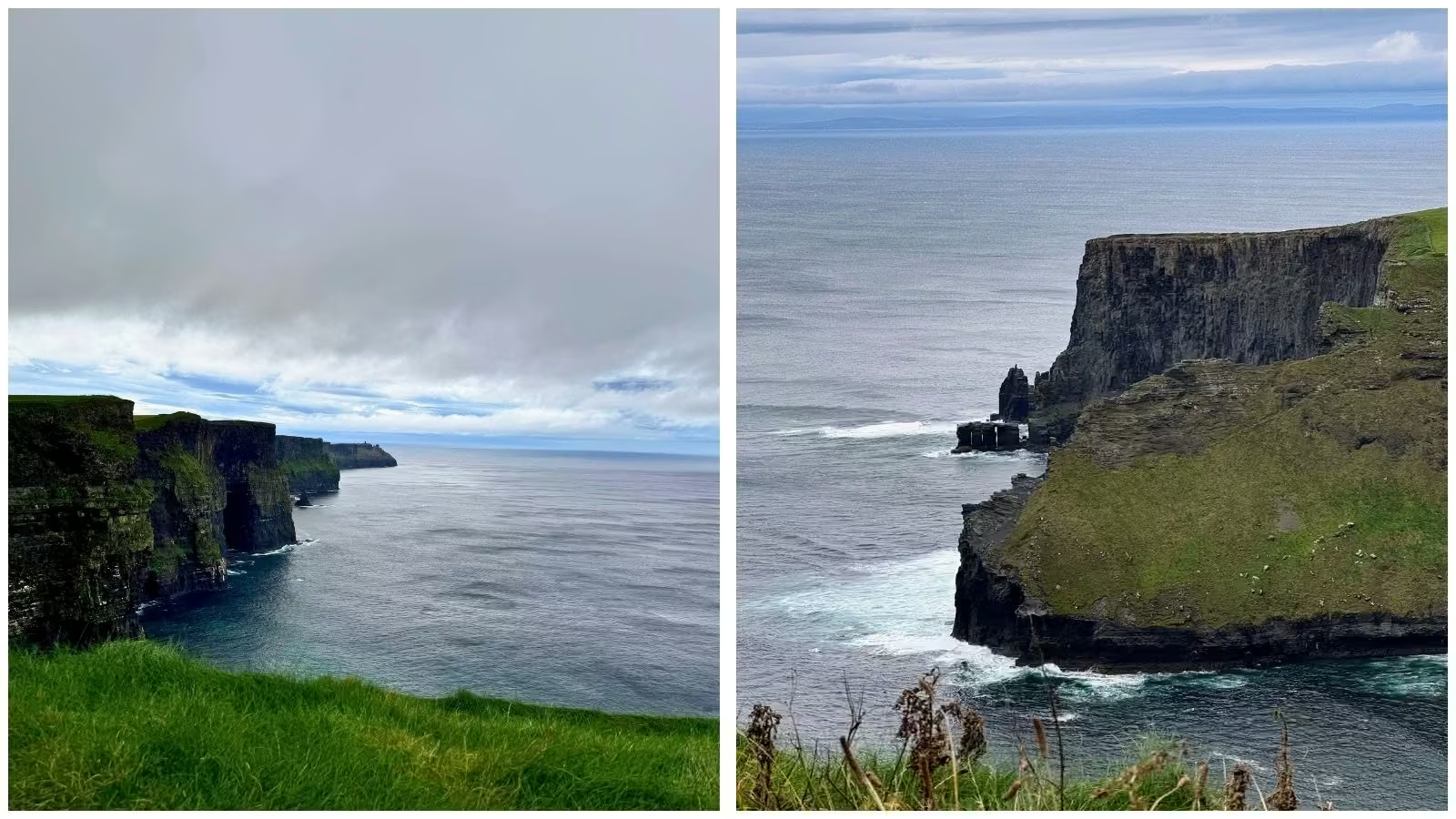
First-Hand Travel Note: To say it was windy at the cliffs would be a massive understatement—we were laughing and practically leaning directly into the gales just to stay upright! So, bring a windbreaker jacket.
Key Takeaways for Planning an Irish Ancestry Road Trip
- Talk to the Locals: Irish hospitality is legendary. When we walked into local spots like Sweeney’s Hotel in Dunfanaghy, locals and distant cousins immediately welcomed us, sharing exact names, lineages, and local history we never could have found online.
- Be Flexible with Weather: Atlantic weather is completely unpredictable. If you are trying to reach offshore islands like Owey, give yourself a buffer of a few days on the mainland in case high winds temporarily halt boat crossings.
- Rent a Car: To see the true heart of Ireland—the glaciated valleys of Sligo, the deforested peaks of Glenveagh, and the tiny coastal piers of Donegal—you will need the freedom of a road trip.
- Wear Proper Attire: Fit in and keep warm with a classic Irish Wool Sweater, and also a windbreaker jacket since its quite windy!
Have you ever taken a DNA or ancestry trip of your own? Did you manage to find the houses or towns your ancestors walked away from? Let me know in the comments below!
To watch the full journey, check out the complete travel video on YouTube by Nomadic Sean.
